Looking to find out where the most expensive places to rent an apartment in the UK are?
According to Zoopla’s latest rental market report, the UK has seen a 4.1% increase in rents over the past year, bringing the average monthly rent to approximately £1,320. This marks a continued upward trend in rental prices, reflecting ongoing demand and regional variations in affordability. Recent research on rental trends and property prices highlights how market dynamics and regional differences continue to shape affordability across the country.
Over the past three years, the average annual UK rental cost has risen by around £3,500, a 28% increase compared to earnings growth of 20%. The report gives us a glimpse of how inflation and other economic factors are affecting rents across the UK, with some areas experiencing sharper increases than others as interest rates fluctuate. Over the last five years, rental prices have changed significantly, with many cities experiencing sharp rises in average rent, further widening the gap between the most and least expensive locations.
The Top 15 Most Expensive Places to Rent in the UK
- Why do some UK areas have higher rent?
- UK rent prices table (2026)
- Regional rental price differences
- What drives high rental costs?
- Future rental trends
- Tips for renting in expensive cities
- FAQs about UK rental prices
The ongoing demand for rental properties in the UK’s major cities has led to significant increases in average rental prices, especially in key urban areas. London remains the most expensive city for renting, with average rents exceeding £2,200 per month. This reflects the high demand for housing in the capital, driven by its status as a global business and cultural hub. Other cities such as Cambridge and Brighton, which offer proximity to London and high living standards, also command high rental prices, with averages above £1,350 and £1,700, respectively. Cambridge is also consistently ranked among the most expensive UK cities overall, both for renting and buying property.
London, Oxford, Cambridge, Brighton, and St Albans are consistently ranked as the most expensive cities to live in the UK. These locations are not only the most expensive cities in the UK for renting, but are also among the most challenging cities to buy property in. The high average prices in these cities mean that buyers face significant financial hurdles, especially when compared with other cities across the UK.
Demand continues to outpace supply in these markets, driving prices higher and making it particularly difficult for a first-time buyer to secure a home. Getting onto the property ladder in cities like London, Cambridge, and Brighton requires a much higher salary and deposit than in other parts of the country, making homeownership a major challenge for many residents.
Why Do Certain Areas Have Higher Rent?
Before diving into the list, it’s important to understand why certain areas command higher rent. Factors include:
- Proximity to major employment hubs: Cities like London, Manchester, and Edinburgh attract professionals, driving up demand.
- Quality of life: Areas with good schools, healthcare, and green spaces tend to command higher rents. In cities where residents have higher disposable incomes, people can spend more on housing and amenities, further increasing demand and prices.
- Transport links: Cities with strong rail and bus networks are more desirable, leading to increased demand.
- Cultural & social attractions: A vibrant nightlife, dining scene, and tourism contribute to higher rental costs.
Table: Top 15 Most Expensive Places to Rent in the UK (2026)
Rank | City | Avg. 1 Bed Rental in City Centre (PCM) |
| 1 | London | £2,210 |
| 2 | Cambridge | £1,350 |
| 3 | Brighton | £1,700 |
| 4 | Oxford | £1,450 |
| 5 | Bristol | £1,420 |
| 6 | Edinburgh | £1,290 |
| 7 | Reading | £1,270 |
| 8 | Manchester | £1,100 |
| 9 | Milton Keynes | £1,280 |
| 10 | Bournemouth | £1,190 |
| 11 | Glasgow | £980 |
| 12 | Leeds | £1,000 |
| 13 | Birmingham | £960 |
| 14 | Nottingham | £980 |
| 15 | Belfast | £780 |
*Data sourced from Zoopla, Market Financial Solutions
The South-West, represented by cities like Bristol, continues to see rising rental prices, driven by its cultural appeal and robust transport links. Edinburgh and Glasgow represent Scotland on this list, showcasing their increasing popularity due to their rich cultural heritage and economic opportunities. Meanwhile, cities like Manchester and Birmingham remain attractive due to their strong job markets and vibrant social scenes, keeping them among the top rental markets in the UK. As demand continues to outstrip supply in these areas, rental prices are expected to maintain their upward trend, although the rate of increase has begun to show signs of slowing
London
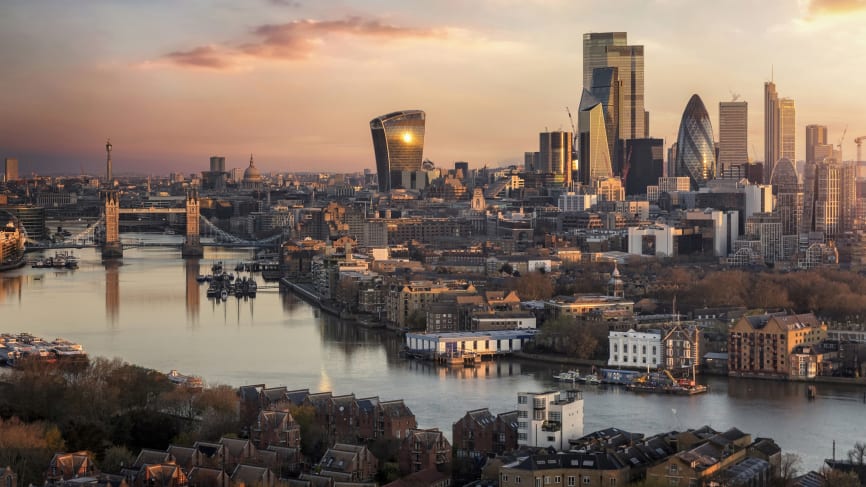
With plenty of jobs, culture, history and more, London has everything you need. It's also why the demand for rental property is so high. With a lack of social housing, demand for properties in the capital has skyrocketed.
The UK's capital remains the most expensive city to rent, with average rents exceeding £2,100 per month. The combination of job opportunities, transport links, and cultural attractions keeps demand high.
Cambridge

As one of the UK's top commuter towns, Cambridge has a rental market driven by its proximity to London and its world-renowned university. Cambridge is regularly listed among the best commuting towns for workers in London. Its idyllic countryside and 51-minute train ride into London make it the ideal place to live.
Brighton
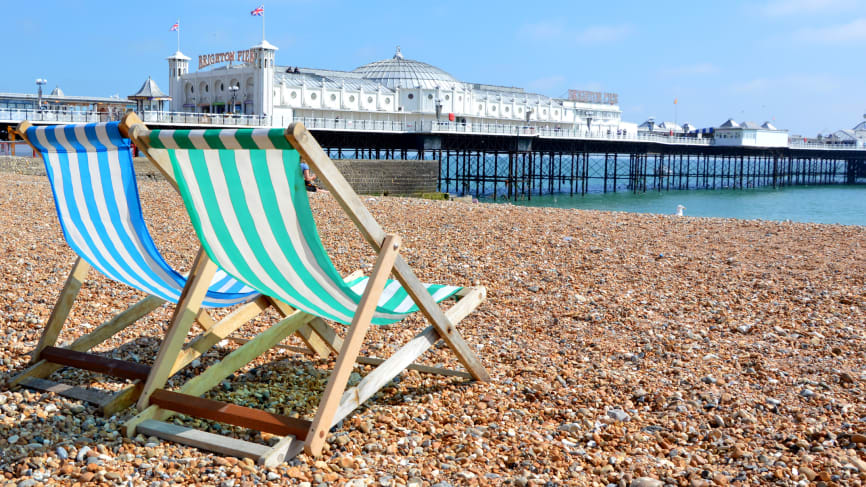
This seaside city offers an ideal mix of urban convenience and coastal relaxation, making it a desirable location despite its high rent.
Oxford

Home to one of the world's most prestigious universities, Oxford offers a high quality of life and picturesque surroundings, making it a rental hotspot. Filled with independent stores and easy access to beautiful countryside. Oxford is another area that offers idyllic living with great links to the capital.
Bristol
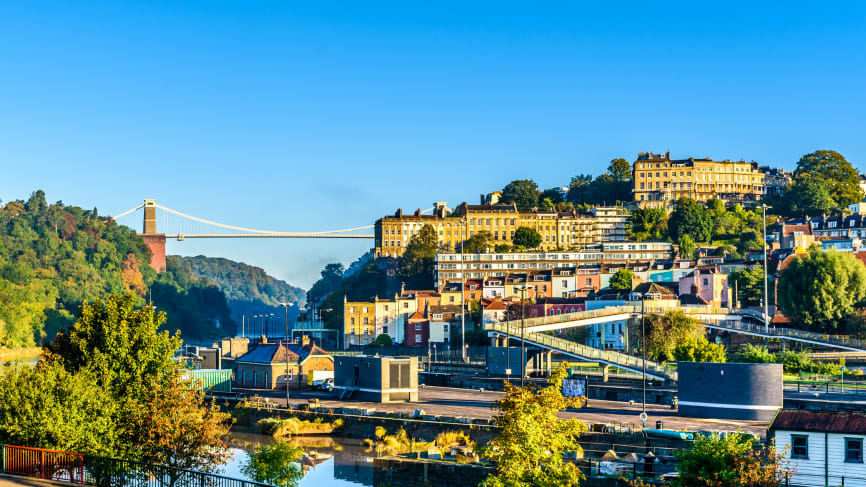
A hub of arts and culture, Bristol's strong economy and excellent transport connections continue to attract renters. Bristol is one of the best places in the UK for transport. With direct links to some of the biggest cities in the UK. These include London, Manchester, Birmingham and Cardiff.
Edinburgh

Scotland's capital balances historical charm with a growing job market, making it one of the UK's most in-demand rental cities.
Reading
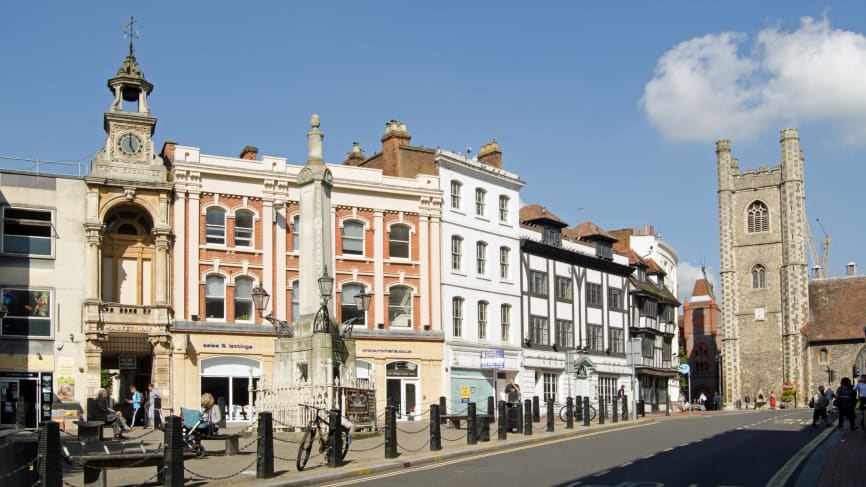
Another South-East city, Reading, is around 1 hour and 30 minutes' drive from London. It also boasts 25-minute train journeys to the capital, which is perfect for commuting. Reading is one of the ideal places for London workers to live more affordably than in the capital.
Manchester

One of the UK's capitals of science and Industry, Manchester is the first city on the list situated in the North. The city is often cited as the capital of science and industry. It boasts excellent job prospects, a bustling energy and a thriving social scene. From Manchester's Piccadilly station, you can catch a train to pretty much anywhere in the UK. It's a modern and cosmopolitan city popular with students. It has one of the highest graduate retention rates, with around 51.5% of students deciding to stay in Manchester.
Milton Keynes

Again, Milton Keynes boasts excellent transport links to London. Making it another popular destination for commuters. Filled with leisure and amenities, it boasts some of the nation's best green spaces.
Bournemouth
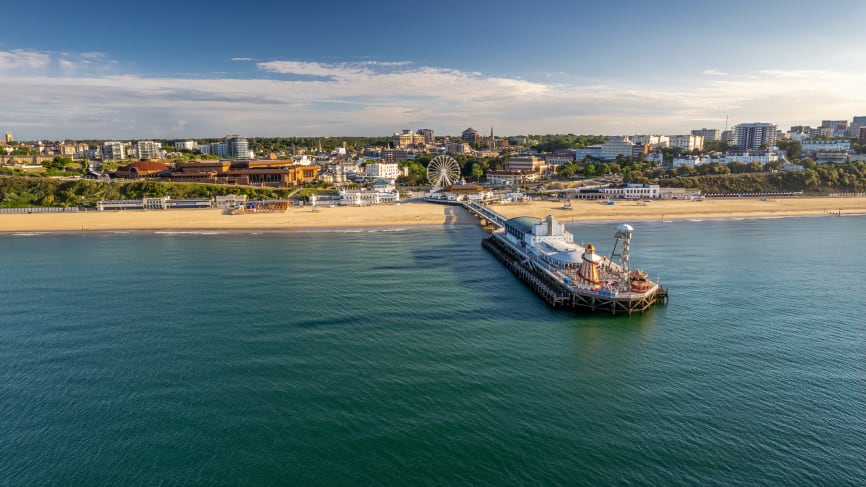
Bournemouth sits on the Dorset coast, adorned with golden sandy beaches. It has a mix of big-brand shops and independent stores, award-winning gardens, and more. Bournemouth is also home to the Jurassic Coast, a World Heritage Site. Amongst many other amazing places of interest, including the New Forest National Park.
Glasgow

If you're eager to make the move to Scotland but don't want the business of Edinburgh, then Glasgow is the place to go. Glasgow is a less touristy city, with an amazing art and culture scene. Over the last few decades, the city has seen a big regeneration. Now it's a popular destination for young professionals. Plus it has great links to the natural beauty of the Highlands and beyond.
Leeds

Another of the North-West's cosmopolitan cities. Leeds is popular with students and professionals alike. Due to the vibrant job market, amazing culture and social scene. Those living in Leeds not only have access to the bustling city but also some of the UK's best National Parks. Plus, its closeness to major motorways such as the M1 and M62 makes national travel easy.
Birmingham

Once the leader of the industrial revolution, Birmingham is now one of the UK's biggest cities. Recently a host to the Commonwealth Games, the city is a centre for sport, art and media. Birmingham is also close to quieter countryside living and has excellent transport links. From Birmingham's New Street station, you can access trains to anywhere in the UK. Including the capital, London.
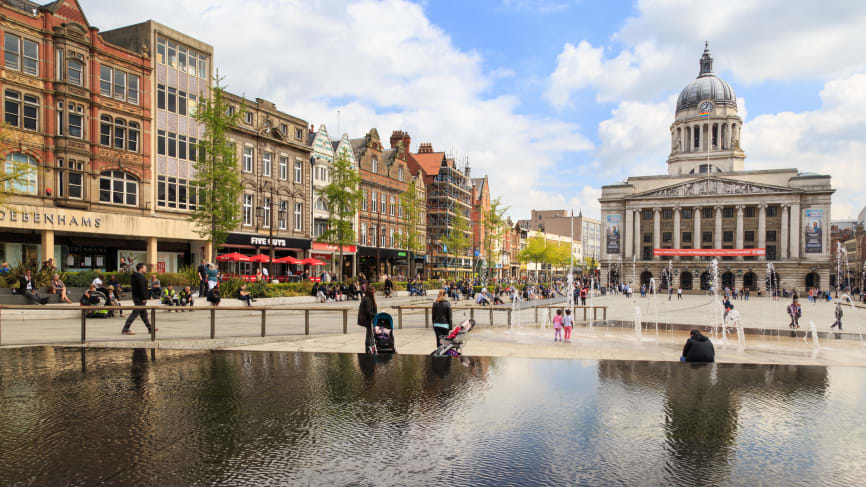
Situated in England's East Midlands, Nottingham has long been a popular student location. Now it's also proving popular with young professionals. Offering a mix of classic and contemporary, and easy access to stunning countryside.
Belfast

The only city in Northern Ireland to make the list. Belfast is NI's capital city and popular with creatives. It's surrounded by natural beauty and always has something going on. From festivals to markets, Belfast regularly plays host to fun cultural events. The city may have one of the highest average rental prices in the UK, but the cost of living is affordable. With consumer prices costing 23.5% less than in London. The city is very much in the heart of the UK with its access to the country's best transport links. Including the M1 and M6 motorways, leading you to the UK's biggest cities and attractions.
Regional Variations in Rental Prices Across the UK
The UK’s rental landscape is shaped by striking regional differences, with the most expensive cities for renting concentrated in the south-east of England. London stands out as the most expensive city, where average monthly rent far exceeds the national average, reflecting its status as a global capital. Other expensive UK cities such as Cambridge, Oxford, and Brighton also command premium rental prices, thanks to their proximity to London, thriving economies, and cultural appeal.
In contrast, the cheapest cities to rent in the UK are typically found in the north of England. Cities like Newcastle and Liverpool offer much more affordable rental options, with average monthly rent significantly lower than in the south east. This regional divide is influenced by factors such as local job markets, economic growth, and demand for housing. While expensive cities attract professionals and students seeking vibrant city life and career opportunities, other UK cities provide a more affordable alternative for those prioritising value for money.
For renters, understanding these regional variations is key to finding the right balance between cost, lifestyle, and location. Whether you’re drawn to the buzz of London or the affordability of northern cities, the UK offers a diverse range of options to suit different budgets and preferences.
Spotlight on the UK’s Most Expensive Rental Markets
What Drives High Rental Costs?
- Demand from students and professionals: Cities with top universities and strong job markets attract renters.
- Limited housing supply: A shortage of available properties means landlords can charge premium prices.
- High quality of life: Cities offering excellent amenities, nightlife, and transport links see consistently high demand.
For a single person, the cost of renting in these cities can be especially high, as they often bear the full expense of rent, utilities, and other living costs without the ability to split bills, making affordability a significant challenge.
High Property Prices and House Prices in Expensive Cities
The UK’s most expensive cities are defined not only by their high rental prices but also by their soaring property values. In cities like London, Cambridge, and Oxford, the average house price is significantly above the national average, making these locations some of the most challenging places to get onto the property ladder. For example, London’s average house price hovers around £524,400, while Cambridge and Oxford follow closely at approximately £465,700 and £450,000, respectively. These high property prices are driven by a combination of limited housing supply, consistently high demand, and the appeal of excellent transport links that connect residents to major employment hubs and cultural attractions.
Living costs in these expensive UK cities extend beyond just rent. Residents face substantial monthly costs for essentials such as food, utilities, and council tax, with the average monthly rent in London exceeding £2,200. Other cities in the UK, like Brighton and Bristol, also see high average monthly rents—around £1,700 and £1,400, respectively—reflecting the broader trend of rising living costs in major cities. For first-time buyers and renters, these high costs can make it difficult to save for a deposit or manage monthly expenses, especially as property prices continue to outpace average salary growth.
Despite these financial challenges, the UK’s most expensive cities remain highly desirable places to live. The south east of England, home to cities like London, Oxford, and Cambridge, is particularly sought after due to its vibrant job markets, world-class universities, and rich cultural life. However, other cities in the UK, such as Manchester, Leeds, and Birmingham, are also experiencing rising property prices and living costs, driven by strong job opportunities and ongoing urban development.
It’s not just England’s cities that are feeling the pressure—Edinburgh, one of Scotland’s most expensive cities, is renowned for its natural beauty, historic sites, and excellent transport links. High demand for housing in Edinburgh has pushed property prices up, making it a competitive market for both buyers and renters.
For those seeking a more affordable lifestyle, some of the cheapest cities in the UK, such as Glasgow and Newcastle, offer lower house prices and living costs while still providing access to amenities, job opportunities, and vibrant communities. These cities are increasingly popular with buyers and renters looking to balance affordability with quality of life.
Ultimately, the UK’s most expensive cities are characterised by high property prices, limited housing supply, and strong demand. While these cities offer unparalleled cultural attractions, job opportunities, and excellent transport links, the high cost of living can be a significant barrier for many. Regularly reviewing property prices, rental trends, and living costs is essential for anyone considering a move or investment in these dynamic urban centres.
Investment Opportunities in High-Rent Areas
For property investors, high-rent areas in the UK present compelling opportunities. Cities like London, Cambridge, and Oxford consistently see high demand for rental properties, driven by limited housing supply and strong local economies. These university cities attract students, academics, and professionals from around the world, ensuring a steady stream of potential tenants and supporting robust rental prices.
High property prices in these locations can translate into strong rental yields, especially when paired with excellent transport links and a wealth of cultural attractions. Cities such as Brighton and Bristol, known for their vibrant arts scenes and quality of life, also offer attractive prospects for investors seeking both capital growth and reliable rental income.
However, investing in these high-demand markets requires careful consideration of local regulations, property prices, and ongoing costs. Understanding the dynamics of each city—such as the impact of new developments, changes in demand, and shifts in the rental market—can help investors maximize returns while meeting the needs of modern renters seeking convenience, community, and lifestyle.
Quality of Life in the Most Expensive Rental Locations
Living in the UK’s most expensive rental locations comes with a host of lifestyle benefits. Cities like London, Cambridge, and Oxford are celebrated for their rich history, world-class cultural attractions, and excellent transport links, making them highly desirable places to live. Residents enjoy easy access to top-tier restaurants, museums, green spaces, and a diverse range of job opportunities, all of which contribute to a high quality of life.
However, these advantages come at a cost. The average house price and rental prices in these cities are among the highest in the UK, and living costs—from groceries to council tax—can quickly add up. For many, especially first-time buyers or those on a limited budget, the cost of living crisis is a real concern, requiring careful budgeting and planning. The average salary needed to comfortably live in these areas is often higher than in other UK cities, reflecting the premium placed on location and amenities.
Despite these challenges, many residents are willing to pay more for the unique character, natural beauty, and vibrant communities found in the UK’s most expensive cities. Regularly reviewing local market trends, average house prices, and rental prices can help individuals make informed decisions about where to live or invest, ensuring they find the right balance between lifestyle, affordability, and long-term value.
Future Predictions for Rental Prices
As demand continues to outstrip supply, rental prices in these cities are expected to keep rising, although at a slower rate than in previous years. Government policies, interest rate changes, and economic factors will also play a key role in shaping future trends.
Tips for Renters in Expensive Cities
- Consider suburban areas – Towns like Reading, Luton, and St Albans offer more affordable options with strong transport links.
- Flat share – Splitting rent with a housemate can significantly cut costs.
- Negotiate rent – Depending on demand, some landlords may be open to negotiation, especially for long-term tenants.
Alternatively, some renters may want to look at affordable cities elsewhere in the UK, where living costs and rents are lower than in the most expensive cities.
All 15 of the UK's most expensive places to rent have a lot to offer, but supply and demand remain an issue. Many of these cities say the demand for rental properties is driving rising prices. Private rentals are affected by inflation and too little social housing is being built. More renters than ever are looking for affordable and easy rental solutions. If you're looking for somewhere to live in or near London, explore our apartments to rent
Conclusion
Renting in the UK's most expensive cities comes with a premium, but it often reflects the quality of life, opportunities, and amenities these areas offer. Whether you're a student, professional, or investor, understanding the rental market can help you make the best choices for your lifestyle and financial goals.
FAQ: The Most Expensive Places to Rent in the UK
1. What are the most expensive cities to rent in the UK?
The most expensive cities to rent in the UK include London, Oxford, Cambridge, Edinburgh, and Brighton. London consistently ranks as the most expensive, with average monthly rents exceeding £1,700. Oxford and Cambridge also have high rents due to their prestigious universities and strong local economies.
2. Why is London the most expensive place to rent in the UK?
London is the most expensive place to rent in the UK due to its status as a global financial and cultural hub. High demand for housing, a robust job market, extensive public transport, and numerous amenities contribute to the city's high rental prices. Areas like Kensington, Chelsea, and Westminster are among the priciest.
3. Are there affordable alternatives to renting in expensive UK cities?
Yes, there are affordable alternatives to renting in expensive UK cities. Consider looking in suburban areas or nearby towns with good transport links to major cities. For instance, commuters might find more affordable rent in places like Reading or Luton while still being close to London.
4. How can I find cheaper rent in cities like Oxford or Cambridge?
To find cheaper rent in cities like Oxford or Cambridge, consider:
- Flat Sharing: Sharing a flat can significantly reduce costs.
- Living Further from the City Centre: Suburban areas often offer lower rent prices.
- Negotiating Rent: Some landlords might be open to negotiation, especially for longer lease agreements.
5. What factors contribute to high rental prices in UK cities?
High rental prices in UK cities are influenced by factors such as:
- Demand from students and professionals
- Limited housing supply
- High quality of life and amenities
- Proximity to employment hubs and good transport links
- Cultural and social attractions
6. Is renting cheaper in Scotland compared to England?
In general, renting is cheaper in Scotland than in England. However, cities like Edinburgh and Glasgow can have higher rental prices due to their popularity and economic opportunities. Edinburgh, in particular, is known for its high quality of life, attracting both locals and international residents, which keeps rent prices high.
7. How have rental prices in the UK changed over the past few years?
Rental prices in the UK have steadily increased over the past few years due to rising demand, limited housing supply, and economic pressures. Major cities have seen the most significant increases, driven by population growth and the appeal of urban living.
8. What is the average rent in the UK?
The average rent in the UK varies depending on location. In 2026, the average rent in London is around £1,750 per month, while in other cities such as Edinburgh and Brighton, it hovers around £1,250 per month. Smaller towns and rural areas typically have lower average rents.
9. What are the most expensive areas to rent in London?
The most expensive areas to rent in London include Kensington, Chelsea, Westminster, and Knightsbridge. These areas are known for their luxury properties, proximity to central London attractions, and exclusive amenities, driving up rental prices.
10. How can I keep up with rental trends in the UK?
To keep up with rental trends in the UK, consider regularly checking property market reports, following real estate news, and using online rental platforms. Subscribing to newsletters from real estate agencies can also provide valuable insights into market changes and opportunities.