Living in London: Guide to Jobs, Where to Live & More
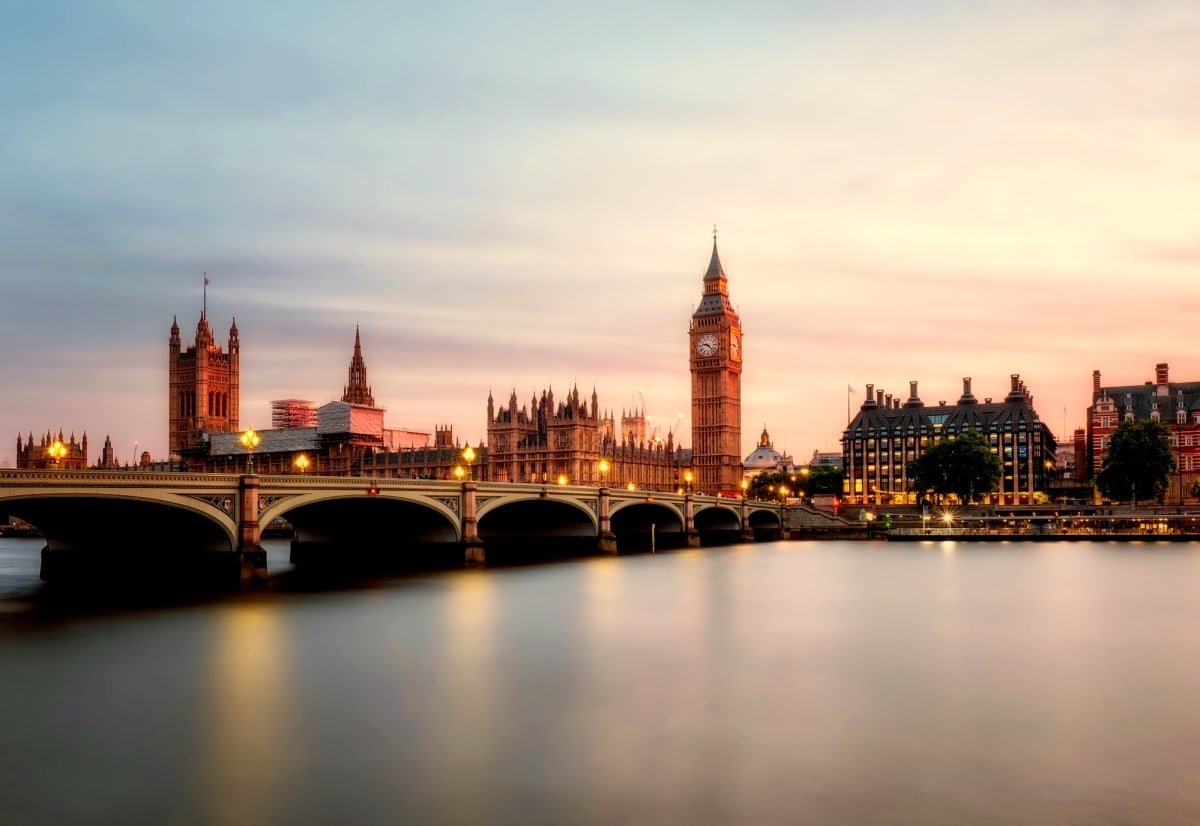

Living in London is an exciting opportunity filled with amazing things to see and do, plenty of ways to get around and an amazing range of job opportunities.
If you’ve never lived in London, how do you make the move? Relocating can be daunting, but having the right information can make the process easier.
We’ve compiled a complete guide for everything you will need to know when living in London. So, when you finally get settled, you’ll already feel like a Londoner.
Where to live in London
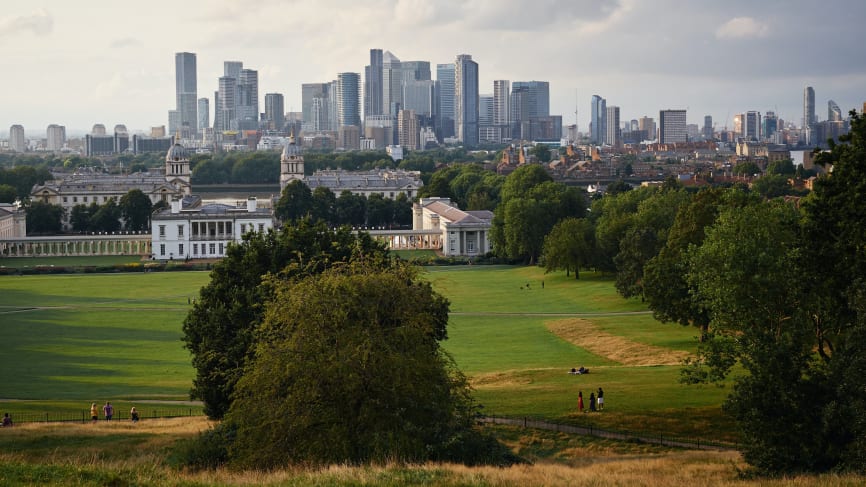
The first thing to decide is where in London you would like to live. London is 48 different neighbourhoods, each with its own unique atmosphere and culture.
Some of the most popular places to live in London are:
You can read our full guide to the best places to live in London right here. Or, take a look at our guides to living in different places in London below:
North London
- Living in Crouch End
- Living in East Finchley
- Living in Golders Green
- Living in Wood Green
- Living in Muswell Hill
- Living in Belsize Park
- Living in Finsbury Park
- Living in Tufnell Park
- Living in Seven Sisters
- Living in Kentish Town
- Living in Highbury
- Living in Highgate
- Living in Hampstead
- Living in Holloway
- Living in Archway
- Living in Walthamstow
South London
- Living in Crystal Palace
- Living in Battersea
- Living in Brixton
- Living in Croydon
- Living in Nunhead
- Living in Peckham
- Living in Wimbledon
Southeast London
- Living in New Cross
- Living in North Greenwich
- Living in Maze Hill
- Living in Vanbrugh Park
- Living in Westcombe Park
- Living in Surrey Quays
- Living in Canada Water
- Living in Brockley
- Living in Deptford
- Living in Rotherhithe
- Living in Bermondsey
- Living in Bromley
- Living in Shadwell
- Living in Lewisham
- Living in Blackheath
- Living in Greenwich
- Living in Charlton
East London
- Living in Aldgate East
- Living in Mile End
- Living in Stepney Green
- Living in Cambridge Heath
- Living in Stoke Newington
- Living in Globe Town
- Living in Canary Wharf
- Living in Dalston
- Living in Hoxton
- Living in Poplar
- Living in Shoreditch
- Living in Whitechapel
- Living in Limehouse
- Living in Bow
- Living in Hackney
- Living in Wapping
Commuter Towns
- Living in Henley-on-Thames
- Living in High Wycombe
- Living in Bracknell
- Living in Marlow
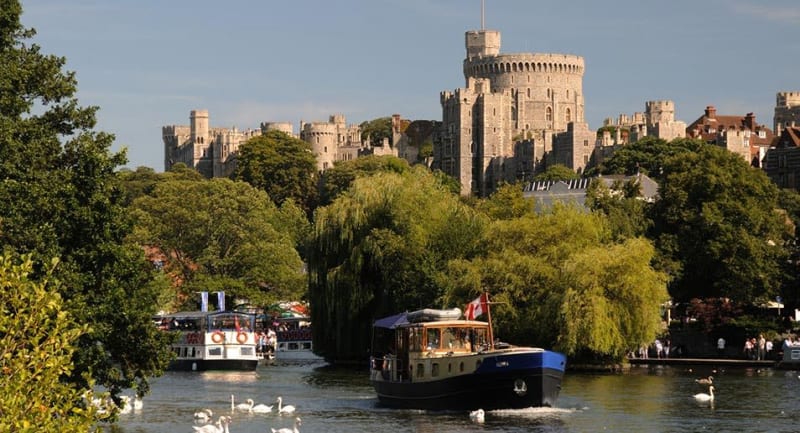
- Living in Windsor
- Living in Slough
- Living in Twyford
- Living in Reading
One of the best things about living in London is that there’s a place for everyone. Whether you want a creative hub or a family community, the city has a rich mix of cultures and interests.
Choosing where to live is not just about finding a nice area, but about finding where you belong.
For Creatives
Notting Hill
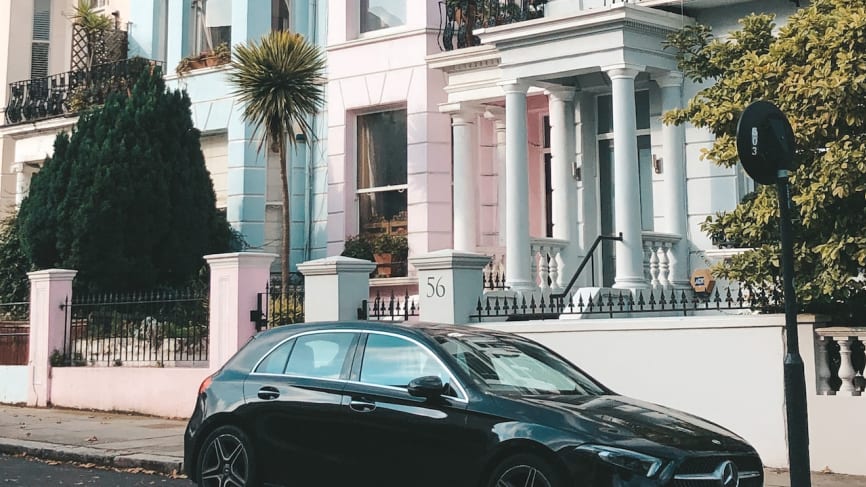
Notting Hill is a vibrant area filled with creativity and culture. Experience the annual Notting Hill Carnival, a celebration of Caribbean heritage, and enjoy music venues and boutique shopping.
South Bank

South Bank is London’s entertainment hub, featuring attractions like the Tate Modern and the London Eye. You can also enjoy the annual Udderbelly Festival and film screenings at the British Film Institute (BFI).
Shoreditch

Shoreditch is filled with amazing restaurants,indie shops and bars. Shoreditch is also a great place for those that love music and dancing the night away. It’s a popular place for clubs and nights out with a range of cocktail bars and pubs.
For Families
Richmond

Richmond park is one of the most popular green spaces in London. From the Richmond Performing Arts Festival to the Richmond Park Golf Course. Everyone in the family can find something to enjoy in Richmond.
Greenwich
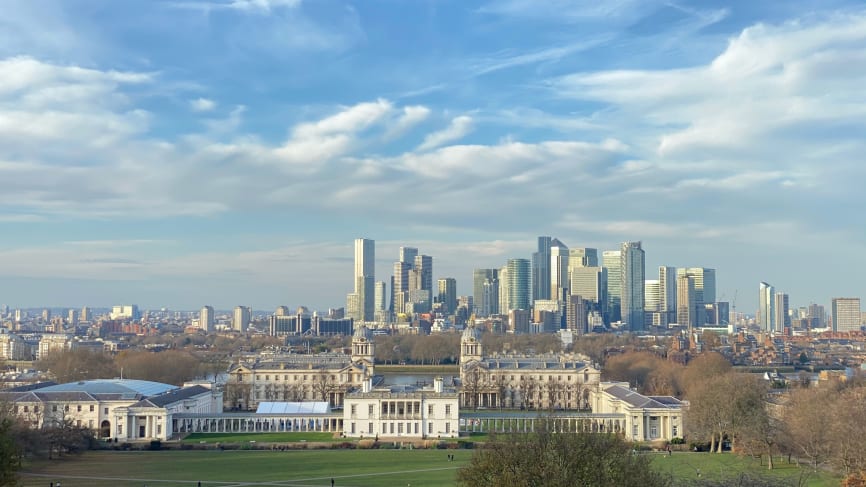
Greenwich, south of the river, features the O2 arena, Greenwich Park, and several museums. It's a favored neighborhood for families, offering good schools, strong transport links, and educational attractions.
Chiswick
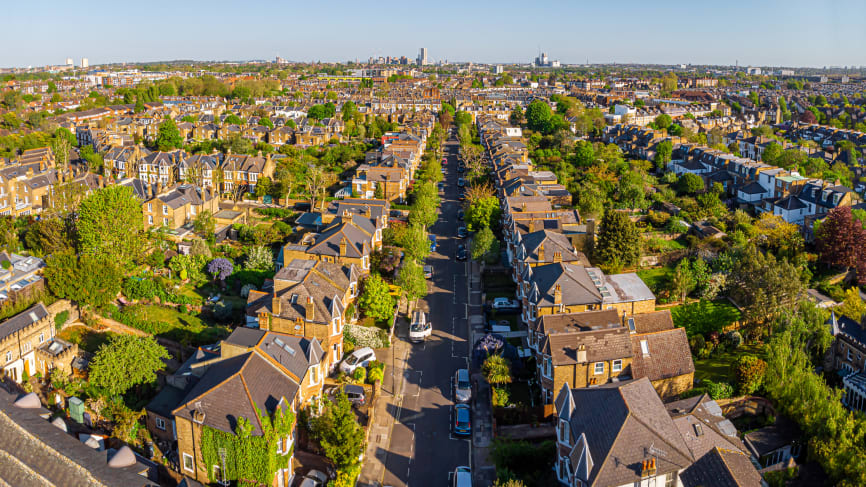
Chiswick, located north of the river, is ideal for families. It features the lovely Chiswick House and gardens, along with outdoor activities, and is a short tube ride from London’s royal parks.
For Commuters
Maidenhead
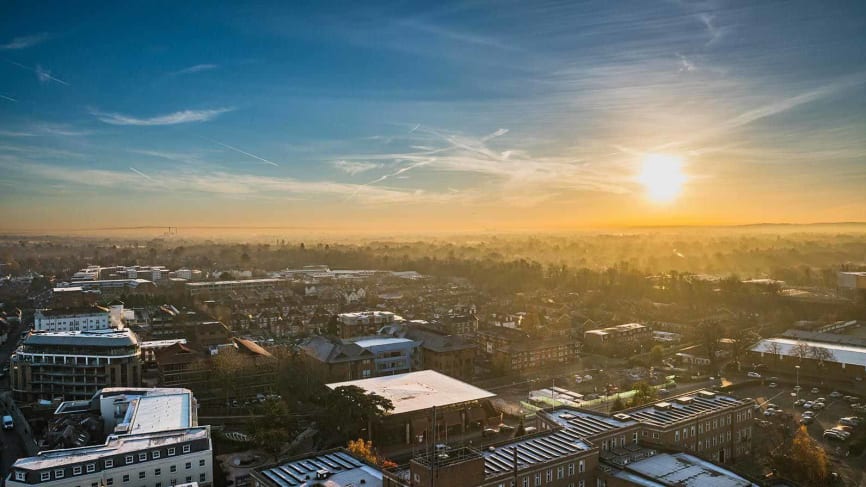
Maidenhead is a market town in the Royal Borough of Windsor, featuring high street shops, bars, and restaurants. It’s conveniently located just 26 minutes from London Paddington Station.
Why not have a look at our range of Maidenhead apartments in our Berkshire House development?
Redhill
Redhill, south of London in Surrey, offers farmers' markets and beautiful countryside for a great work-life balance. It’s also within an hour of several major London stations.
St Albans

St Albans is a top choice for commuters, known for its stunning cathedral and medieval art. With a history that dates back to Roman times, it offers both charm and convenience. From Redhill station, you can reach London St Pancras International in under 25 minutes.
Read our full list of the best places to live in London for commuters here.
How to get a flat in London

Renting is by far the most popular way to live in London. To rent an apartment or house, you’ll need a few documents to hand.
- Tenant references - references from previous landlords.
- Employee references - your landlord will want proof that you have a stable income. This means they may ask for references from your employer as well as proof of employment.
- Proof of income: to make sure you can afford the monthly rent, you will be asked to provide proof of income. This can be in the form of a valid employment contract and bank statements.
- Right to rent - you’ll need to provide documents to prove your identity and legal right to rent and live in the UK.
- Guarantor: Depending on your income status, you may be asked to provide one. This is someone who can pay your rent should you fail to make a payment. It’s best to have a guarantor in mind just in case.
If you’re interested in making renting easy, why not take a look at our Essential Living developments? Your main bills are included in the rent price, helping take the stress out of renting.
How to get around
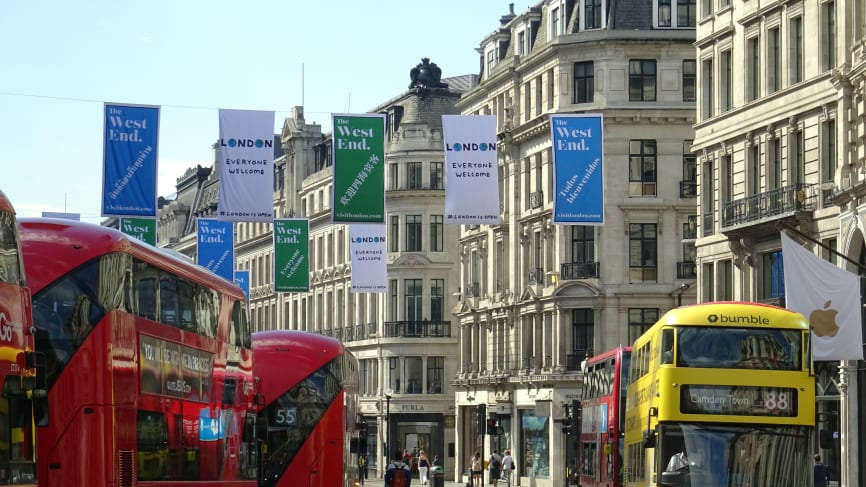
Public transport in London is some of the best in the country. From regular buses to easy underground links. Transport for London manages the majority of public transport in and around London. If you’re looking for travel times, status updates or information on prices, you can find it all on their website.
The underground
The London Underground is a system of 11 colour-coded tube lines that take you to all corners of London. The underground is by far the quickest and cheapest way to travel around the city.
You can easily find a map of the underground here or at each station. You can spot an underground station on any map by looking for a red circle with a blue line.
The overground
Some areas of London are only accessible using the DLR and overground trains. These can be easily accessed from most tube stations where applicable.
The Overground connects London’s suburban areas with trains. On maps, look for an orange circle with a blue line to find Overground stations. It is also shown on the Underground map as two parallel lines.
Buses
Buses run regularly across London, from central to the suburbs. The buses are an affordable way to get around, costing just £1.65 on average. You can also travel all day by bus for no more than £4.95. There are also a select number of night buses that substitute some tube lines in the evenings.
You can see all the bus stops across London, along with their routes, via this TFL bus map.
Taxis & Black Cabs
Black Cabs are a famous feature of London. Yet, they can be more expensive than public transport. You can explore the tariffs and journey times here. To hail a Black Cab look out for the yellow taxi sign on top. If the light is on, the cab is available.
Be aware that extra charges may apply. Especially if you’re travelling to and from Heathrow airport. Minicabs can be a better alternative but they will need to be booked in advance. You can find a list of TFL-licensed minicabs here.
You can pay for most public transport with a valid debit or credit card. A convenient option is the pay-as-you-go Oyster Card, which works across all Transport for London (TFL) services. Remember to touch your card to the yellow disks at stations and on buses before and after your journey.
How to get a job in London

London is the base for many of the UK’s biggest brands and businesses. With so many different industries, there are plenty of amazing job opportunities.
Some of the biggest industries found in London are:
- Entertainment - theatre, film, music, TV and Radio
- Media
- Financial Services
- Tourism
- Retail
- Professional Services - legal firms, consulting, accounting etc.
- Technology
There are a number of ways to find a job in London, from direct contact to social media. If you’re looking for the perfect opportunity, take a look at the following:
Before applying for a job, ensure your CV is current. The National Careers Service provides helpful resources. You may also need a cover letter that explains your interest in the job and why you're a good fit.
If you’re not a UK national, you will also need proof that you can legally work in the UK. This can be easily done at the previous link via the gov.uk website.
Lifestyle living in London

You can never get bored living in London. There is something to do rain or shine and no matter what your interests are.
Free things to do in London
If you’re looking for free and easy things to do in London then we recommend:
- Barbican Conservatory - Finsbury
- Columbia Road Flower Market - Bethnal Green
- British Museum - Holborn
- Public Galleries in the Houses of Parliment - Westminster
As well as these free attractions, you can also visit some of London’s major parks. The biggest and most popular are:
- Hyde Park
- Kensington Gardens
- Richmond Park
- Bushy Park
- St James’s Park
- The Green Park
- Regent’s Park & Primrose Hill
- Greenwhich Park
London’s royal parks boast expansive greenery, lakes, and outdoor activities. Richmond Park features a free deer park, with optional donations for its upkeep.
For a night out, the city offers a diverse range of bars and restaurants, serving dishes from around the world. If you're interested in bar hopping, Soho is known for its vibrant nightlife.
Alternatively, for dinner and a show, visit the famous West End for top-notch theatre performances.
Events to watch out for

When living in London you’ll have access to some of the world’s biggest and best festivals and events. Make sure you put these in your calendar so you don’t miss out:
- Chinese New Year - January
- RHS Chelsea Flower Show - May
- Pride in London - June
- Notting Hill Carnival - August
- BFI London Film Festival - October
- Winter Wonderland in Hyde Park - Novemebr
- London New Years Eve at the London Eye - December
Preparing for the weather
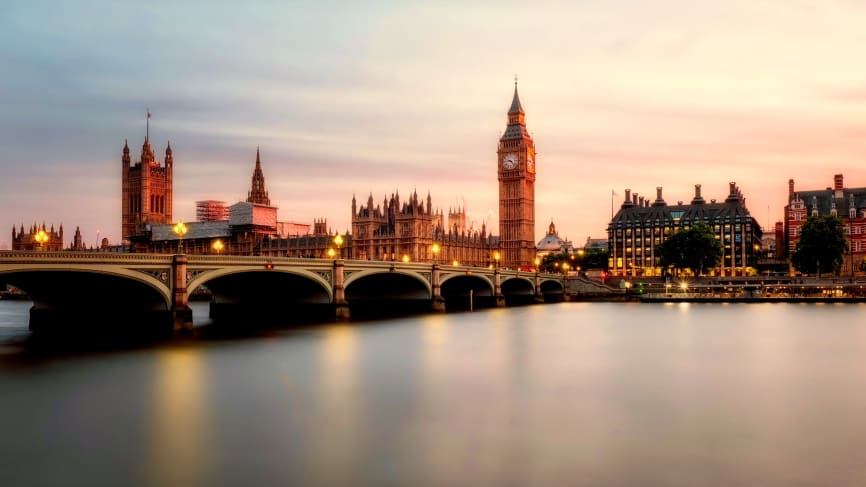
If there’s one thing the UK is known for it’s our weather. The best advice we could give for preparing for London weather is to layer up. During the winter months it can be bitterly cold with occasional snow.
On average the lowest temperatures in autumn and winter are around 9°C.
In the spring prepare for rain and average temperatures of around 12°C.
In the summer, London can experience some of the hottest temperatures in the UK, reaching highs of 24-25°C.
Tips for Expats moving to London

If you’re moving to London from a different country, there may be extra tasks to tick off your list. These will include:
- Checking your visa and what you are and are not eligible to do when in the UK
- To open a UK bank account you will need valid ID, proof of address in the UK and a statement from your current bank. You should be able to do this before arriving in the UK. But, you may be required to provide different documentation.
- You may need agreed employment before you move. This is due to the country's new immigration system. This will depend on the terms of your visa.
Since leaving the EU, the UK’s system for Expats has changed. To be sure of what’s required from you. A great website for Expats looking to move to the UK is Expatica. This website has lots of helpful information on documents needed and what to expect from the immigration process.
Why not tick one thing off your list straight away? Contact our team to find your ideal apartment in London. We can help you find an apartment to suit you in some of London’s best neighbourhoods. Take a look at our developments here and get in touch.
.webp)